
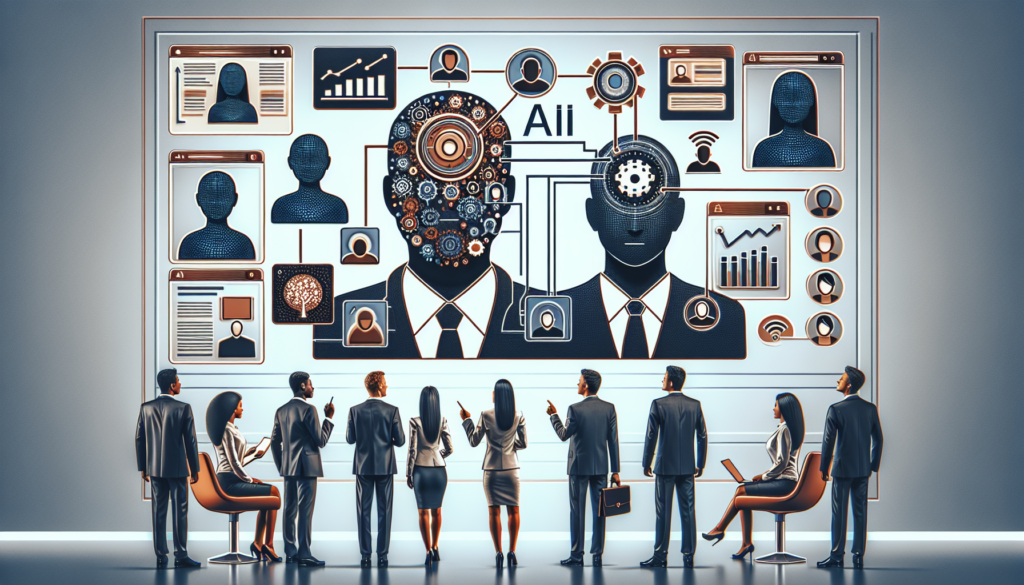
AI can personalize content for different user segments by using behavioral, contextual, and historical data to decide what message, format, offer, or page experience each visitor should see. In SEO and user experience work, that means one site can serve beginners, comparison shoppers, returning buyers, and high-intent leads more effectively without building a separate website for each audience. Personalization is the practice of adapting content to match a visitor’s needs, while user segmentation is the process of grouping users by shared traits such as traffic source, search intent, device, location, lifecycle stage, or on-site behavior. Behavioral UX optimization applies those insights to improve what users actually do next, including clicking, scrolling, subscribing, purchasing, or returning.
I have seen this shift firsthand on content-heavy sites where rankings were stable but engagement lagged. The pages answered the main keyword, yet bounce rates stayed high because every visitor saw the same introduction, examples, and calls to action. Once we used AI-assisted segmentation to tailor intros for novices, comparison tables for evaluators, and stronger product proof for decision-stage users, the same URLs performed better without sacrificing crawlability. That matters because modern organic growth depends on relevance after the click, not only visibility before it. Search engines increasingly reward pages that satisfy intent efficiently, and users expect experiences that feel useful immediately.
For a hub page on AI for personalization and behavioral UX optimization, the core idea is simple: AI helps marketers move from generic content calendars to adaptive experiences driven by real signals. Instead of guessing what every audience wants, teams can analyze first-party data from analytics platforms, CRM systems, heatmaps, search console queries, and product usage logs. AI models can then identify patterns humans often miss, such as which segment responds better to tutorials versus case studies, which headline style lifts engagement for mobile users, or which content path increases assisted conversions. Used correctly, AI does not replace strategy. It makes strategy more precise, faster to test, and easier to scale across landing pages, blog content, product pages, and retention flows.
This topic matters because businesses rarely struggle from a total lack of content. More often, they struggle because the right content is shown to the wrong people at the wrong moment. Personalization closes that gap. It can improve time on page, increase conversion rate, strengthen internal link journeys, reduce friction, and help teams prioritize updates based on measurable impact. It also supports better resource allocation: instead of rewriting everything, marketers can focus on the segments, pages, and moments where tailored messaging creates the biggest lift. The rest of this guide explains how AI-driven personalization works, which user segments matter most, what content elements can be adapted, what tools and workflows support it, and how to measure success without creating a chaotic or manipulative experience.
What AI personalization means in practical SEO and UX work
In practical terms, AI personalization means using machine learning, natural language processing, predictive analytics, and rules-based automation to tailor on-page experiences for identifiable audience groups. The output may be dynamic copy, reordered page modules, personalized product recommendations, adaptive calls to action, search result enhancements, or suggested next content based on observed behavior. On an SEO-led website, personalization must preserve a stable, crawlable core page while improving the experience for real users after arrival. That distinction is important. Search engines need consistent access to primary content, while visitors benefit from contextual adjustments that help them move forward.
A common example is a software company that attracts traffic from informational searches like “how to improve local SEO” and commercial searches like “best local SEO software.” Both users may land on related pages, but they need different framing. The informational visitor responds to educational guidance, templates, and definitions. The commercial visitor wants comparisons, pricing logic, integrations, and evidence. AI systems can classify likely intent using referrer keywords, entry pages, scroll behavior, and past sessions, then prioritize the most relevant modules. This is more effective than relying on one static page that tries to speak equally to everyone and ends up helping no one enough.
Another practical application is content sequencing. If a visitor reads three beginner guides, AI can recommend glossary content, setup checklists, or simple audits next. If another visitor repeatedly engages with ROI calculators and case studies, the system can elevate demos, migration guides, or implementation content. Recommendation engines have powered this type of experience for years on media and ecommerce sites, but the same logic now applies across lead generation, B2B education, SaaS onboarding, and publisher ecosystems. The goal is not novelty. The goal is reducing decision friction by surfacing the right next step.
Which user segments matter most for personalization
The best user segments are not the most complex ones. They are the ones that change messaging, content structure, and conversion paths in meaningful ways. In my experience, the highest-value segmentation usually starts with five dimensions: intent, lifecycle stage, acquisition source, engagement depth, and device context. Intent separates informational, navigational, comparison, and transactional visitors. Lifecycle stage distinguishes new visitors, returning readers, leads, customers, and churn-risk users. Acquisition source shows whether someone arrived from organic search, email, social, referral, or paid campaigns. Engagement depth reflects pageviews, scroll depth, repeat visits, video plays, and micro-conversions. Device context matters because mobile users often need faster access to concise answers and lower-friction interfaces.
Search intent should come first because it directly shapes what “helpful” looks like. A user searching “what is schema markup” needs explanation and examples. A user searching “schema markup generator” wants tools, steps, and implementation support. If both land in the same content cluster, AI can adapt headings, examples, internal recommendations, or calls to action based on likely intent. Lifecycle stage comes next because the same person should not see the same experience forever. Returning users may need deeper content, proof points, or account-level messaging, while first-time visitors need orientation and trust signals.
Below is a practical segmentation framework many teams can implement without enterprise complexity.
| Segment | Primary signals | Best content adaptation |
|---|---|---|
| New informational visitor | Organic entry, top-of-funnel query, low session history | Definitions, simple examples, glossary links, soft CTA |
| Comparison-stage evaluator | Visits pricing, alternatives, feature pages | Comparison tables, proof, objections, demo CTA |
| Returning engaged reader | Multiple sessions, deep scroll, repeat blog visits | Advanced guides, templates, newsletter or trial CTA |
| Existing customer | Logged-in state, CRM match, help-center visits | Upsell content, onboarding resources, product education |
| High-intent local or mobile user | Mobile device, location signals, service-page visits | Short copy blocks, trust badges, click-to-call, local proof |
This type of segmentation is powerful because it is actionable. Each segment maps directly to content changes, not just dashboard labels. That is the standard to use: if a segment does not change what users see or what your team does next, it is probably too abstract to matter.
How AI decides what content to personalize
AI personalization systems rely on inputs, models, decision logic, and delivery layers. Inputs include first-party analytics, event tracking, CRM attributes, content metadata, search query data, and behavioral tools such as Microsoft Clarity or Hotjar. Models classify users, predict likely intent, estimate conversion probability, or recommend assets. Decision logic determines which content variation appears under which conditions. Delivery layers execute those changes in the CMS, personalization platform, email system, app interface, or experimentation tool.
In most real-world teams, the process is less magical than vendors suggest. A useful system starts with clean event tracking and structured content. If article topics, funnel stages, use cases, and conversion types are not tagged consistently, AI has little context to work with. Once taxonomy is in place, clustering models can group users by patterns such as repeated visits to beginner content, frequent comparison-page sessions, or abandonment after pricing-page views. Propensity models can score users based on likelihood to subscribe, request a demo, or purchase. Recommendation models can then select related content or next-best actions based on users with similar patterns.
Large language models add another layer by generating or adapting copy for specific segments. For example, the same product page can feature a shorter summary for mobile visitors, a compliance-focused variation for enterprise traffic, and a benefits-led explanation for small business owners. However, generated copy still needs editorial control, factual validation, and brand consistency checks. In regulated fields such as finance, health, or legal services, human review is mandatory. AI is strongest when it accelerates testing and variant creation, not when it publishes unverified claims at scale.
Content elements AI can personalize without harming core SEO value
Not every page element should change dynamically. The safest and most effective targets are components that improve usability while leaving the primary topic and main content accessible. These commonly include hero messaging, introductions, examples, testimonials, calls to action, recommended articles, product suggestions, FAQ ordering, navigation labels, and next-step modules. For ecommerce, AI often personalizes category sorting, product recommendations, and promotional messaging. For publishers and service businesses, it frequently personalizes article recommendations, lead magnets, regional proof, and conversion prompts.
I recommend keeping the canonical purpose of a page fixed. If a page targets “email marketing automation,” its central explanation should remain about email marketing automation. What can change is whether the page opens with beginner education, enterprise use cases, or migration messaging based on user context. This preserves topical clarity while improving relevance. It also prevents the operational mess that happens when teams let personalization drift into identity confusion, where one URL tries to be five different pages.
Internal linking is another strong personalization layer. A beginner reading an introductory article should see links to fundamentals, definitions, and setup tutorials. An advanced user should see implementation checklists, audits, integrations, and case studies. Because internal links shape user flow and help distribute authority across a site, personalized recommendations can improve both engagement and discoverability of deeper assets. The key is to ensure default links still make sense for any uncategorized visitor.
Tools, workflows, and governance for scalable implementation
Most teams do not need a complex customer data platform on day one. A practical stack often starts with Google Search Console for query and landing-page data, Google Analytics 4 for events and audiences, a CMS with modular content blocks, and an experimentation or personalization layer such as Optimizely, VWO, Adobe Target, Dynamic Yield, or HubSpot smart content. SEO teams may also use Semrush, Ahrefs, or Moz to identify content gaps and authority opportunities, while CRM platforms like HubSpot or Salesforce add lifecycle signals. Session replay tools help validate whether personalized changes actually reduce friction.
The workflow should begin with one question: which segment-page combination has the clearest upside? Good candidates include high-impression pages with weak engagement, high-traffic articles with low assisted conversions, and commercial pages with strong interest but poor progression. From there, create a hypothesis, define a segment, design one or two content adaptations, and test them against a control. Document what changed, why it should help, and which metrics indicate success. This discipline matters because personalization programs fail when every team launches variants without shared standards.
Governance is equally important. Establish rules for data usage, editorial review, accessibility, and QA. Personalized experiences must still comply with privacy requirements such as GDPR and CCPA where applicable. Users should not feel surveilled, and teams should minimize sensitive attributes unless there is a clear lawful basis and ethical rationale. Accessibility standards, including WCAG guidance, still apply to any dynamic element. If a personalized module breaks keyboard navigation, creates layout shift, or hides key information, it damages UX rather than improving it.
Measuring whether personalization improves behavioral UX
Successful personalization is measured by behavior change, not by the number of variants deployed. Start with segment-level metrics tied to page purpose. For informational content, watch engaged sessions, scroll depth, return visits, newsletter signups, and assisted conversions. For commercial pages, focus on click-through to demo or pricing, form completion rate, cart additions, qualified leads, and revenue per session. For hybrid content journeys, examine progression from educational pages to solution pages and the time it takes users to reach meaningful actions.
It is important to compare personalized experiences against a meaningful baseline. A/B testing remains the clearest method when traffic allows. Where traffic is lower, sequential testing and holdout groups can still provide directional insight. I also look at query classes in Search Console to see whether improved engagement is concentrated among the segments we intended to serve. If comparison-stage users spend more time and click deeper after seeing objections addressed early, the test is doing its job. If engagement rises but conversion quality drops, the variant may be attracting curiosity rather than commitment.
Do not ignore qualitative signals. Heatmaps, session recordings, on-page surveys, support tickets, and sales-call notes often explain why a personalization treatment worked or failed. One B2B site I worked on increased clicks with a personalized hero, but demo quality fell because the message overpromised ease of implementation. The fix was not less personalization. It was more accurate personalization tied to actual user maturity. That is the broader lesson: relevance must be truthful to be effective.
AI personalization works best when it is grounded in first-party data, clear segmentation, structured content, and disciplined testing. It helps sites present better introductions, examples, recommendations, and calls to action for different audiences without rebuilding every page from scratch. For SEO and UX, the benefit is straightforward: users find what they need faster, engage more deeply, and move through the site with less friction. That improved experience can support stronger rankings, better conversion rates, and more efficient content operations.
As the hub for AI for personalization and behavioral UX optimization, this topic connects directly to content strategy, experimentation, analytics, internal linking, conversion design, and lifecycle marketing. The strongest programs start small. Choose one high-value segment, one important page group, and one measurable outcome. Use AI to identify patterns, generate tailored variants, and prioritize what to test first. Then expand only after the data shows a real lift.
If you want better SEO results from the traffic you already earn, personalization is one of the most practical places to start. Audit your current segments, review your highest-impact pages, and identify where generic messaging is costing you engagement or conversions. Then build an AI-assisted personalization plan that turns user data into the next best action.
Frequently Asked Questions
What does it mean for AI to personalize content for different user segments?
AI-powered content personalization means using data and automation to adapt what a visitor sees based on who they are, what they have done before, and what they are likely trying to accomplish. Instead of showing every visitor the exact same headline, call to action, product recommendation, or content layout, AI helps determine which message is most relevant for a specific segment. Those segments might include first-time visitors, returning users, comparison shoppers, existing customers, or leads that appear close to making a purchase.
In practical terms, AI can analyze behavioral signals such as pages viewed, time on site, clicks, scroll depth, referral source, device type, geographic context, and past interactions. It can also use historical patterns to predict intent. For example, a beginner might be shown educational content and simple explanations, while a returning buyer might see product updates, loyalty offers, or faster access to key pages. The core goal is to create a more useful and relevant experience without building a separate website for every audience type.
This matters in both SEO and user experience because personalized content can help users find the information they need faster, reduce friction, and improve engagement. When done correctly, AI personalization supports better journey mapping across different user segments and makes a website feel more aligned with real visitor needs.
How does AI decide which content to show to each user segment?
AI decides what content to show by combining multiple types of data and identifying patterns that humans would struggle to manage at scale. Typically, it uses behavioral data, contextual data, and historical data. Behavioral data includes actions such as clicks, navigation paths, downloads, repeat visits, cart activity, and form submissions. Contextual data includes device type, location, time of day, traffic source, and even whether a user arrived from a blog post, paid ad, or branded search. Historical data helps AI compare current visitor behavior to past users who showed similar intent and outcomes.
From there, machine learning models or rules-based systems can assign visitors into likely segments or predict what they need next. For example, someone landing on comparison-style pages and pricing-related content may be identified as a comparison shopper. Someone visiting support articles and account pages might be an existing customer. A visitor repeatedly viewing service pages, testimonials, and contact information may be treated as a high-intent lead. Based on those signals, the AI can change the content experience by swapping featured copy, surfacing specific resources, adjusting recommendations, or promoting different calls to action.
The process does not always have to be overly complex. In many cases, the most effective personalization starts with clear segments and a limited set of decisions, such as changing hero messaging, internal links, featured products, or lead magnets. As more data is collected, AI can refine those choices and improve performance over time. The strength of AI is that it can continuously learn which experiences are working best for each segment and optimize accordingly.
What are the main benefits of AI content personalization for SEO and user experience?
The biggest benefit is relevance. When users see content that better matches their intent, they are more likely to engage, stay longer, explore additional pages, and take meaningful action. For SEO, that can support stronger user signals such as improved engagement, lower friction, and better alignment between search intent and on-page experience. While personalization itself is not a direct ranking factor, making pages more useful for different audience types can contribute to stronger overall site performance.
AI personalization also helps businesses serve multiple audiences efficiently. Many websites need to speak to very different user groups at once, such as beginners who need education, evaluators who want side-by-side comparisons, and high-intent leads who are ready to convert. Without personalization, one generic page may try to satisfy everyone and end up serving no one especially well. AI makes it possible to tailor experiences within the same website structure, reducing the need for duplicate page ecosystems or fragmented site strategies.
Another major benefit is scalability. Manual personalization is difficult to maintain because user behavior changes constantly. AI can process large volumes of data and adjust recommendations, messaging, and content prioritization far more quickly than a human team working alone. This supports more agile optimization across landing pages, blog content, category pages, product pages, and conversion paths. Over time, businesses often see gains in click-through rates, lead quality, conversion rates, and customer satisfaction because the content journey feels more helpful and less generic.
What types of content can AI personalize for different audience segments?
AI can personalize far more than just product recommendations. It can adapt headlines, hero sections, calls to action, internal linking modules, article recommendations, offers, case studies, testimonials, landing page layouts, and even the order in which information appears. For a beginner segment, AI might prioritize educational guides, glossaries, and low-commitment conversion actions. For returning users, it may highlight recently viewed items, saved resources, or next-step content. For high-intent visitors, it can emphasize pricing, demos, consultations, or stronger trust-building elements.
In content marketing and SEO, AI can personalize blog pathways and content discovery. A visitor reading introductory material could be guided toward foundational articles, while someone engaging with solution-focused or bottom-of-funnel content might be shown comparison pages, implementation guides, or sales-oriented assets. Ecommerce sites can personalize category pages, product recommendations, bundle suggestions, and promotional messages. Lead generation sites can tailor forms, proof points, and offers depending on where a visitor appears to be in the decision process.
The most effective personalization usually focuses on areas that directly influence user momentum. That means helping people move logically from awareness to evaluation to action. Rather than changing everything on the page, strong personalization often improves a few high-impact elements that shape decision-making. This keeps the experience coherent while still making it more relevant for each segment.
What are the best practices for using AI personalization without hurting trust, privacy, or SEO performance?
The first best practice is to make personalization helpful, not intrusive. Users should feel that the site is easier to use, not that it knows too much about them. That means relying on appropriate data collection, following privacy regulations, using consent where required, and avoiding overly aggressive personalization that feels invasive. Transparency matters. If users understand that their experience is being improved based on their activity or preferences, trust is easier to maintain.
From an SEO perspective, businesses should ensure that personalization does not block crawlability, hide critical content from search engines, or create inconsistent experiences that undermine core page value. Important content should still be accessible, indexable, and aligned with the page’s primary search intent. Personalization should enhance the user experience on top of a strong SEO foundation, not replace clear site architecture, useful copy, and technically sound pages. It is also wise to test personalization changes carefully so teams can measure whether they improve engagement and conversions without creating confusion.
Another best practice is to start with a clear segmentation strategy. Too many segments can create unnecessary complexity and weak results. Begin with a few meaningful groups, such as new visitors, returning visitors, comparison shoppers, and high-intent leads. Then personalize only the elements most likely to improve outcomes. Finally, review performance regularly. AI is powerful, but it still needs oversight. Teams should monitor engagement metrics, conversion behavior, content performance, and user feedback to make sure personalization is accurate, useful, and aligned with business goals.